
The most transformative moment in creating an extraordinary meal often arrives not through addition, but through subtraction. Standing in the kitchen of a traditional French bistro, watching the chef season a perfectly crafted coq au vin with what appears to be almost nothing, reveals a profound truth about authentic French cooking that challenges everything modern home cooks believe about flavor.
Contemporary kitchens sometimes overflow with exotic spice blends and Instagram-worthy seasoning combinations, but French culinary tradition operates on a completely different way of thinking. The masters of French cuisine have long followed an unspoken rule about spice usage that seems counterintuitive in our more-is-more culture. But it consistently produces the deeply satisfying, memorable flavors that define authentic French cooking.
The secret spice rule simply is:
Less is more
This principle is universally applicable, not just in French cuisine. It is quite similar to the Japanese concept of kakushi aji, or "hidden taste". It is about creating subtle complexity that reveals itself during a meal without overwhelming the palate. Understanding this fundamental approach transforms not just how we cook, but how we think about flavor itself.
The Power of Culinary Restraint in French Cooking
One basic principle of traditional French cuisine is that ingredients should taste like themselves, enhanced but not masked. It is not about creating bold, immediate flavor impacts. French chefs have long understood that the most profound taste experiences arise from restraint, precision, and an almost spiritual reverence for the natural flavors of high-quality ingredients.
The core principle centers around the "one dominant note" rule. One primary flavor should shine through clearly and be supported by complementary elements. French cooking doesn’t lack complexity; instead, it achieves sophistication through layered subtlety rather than by adding distracting elements.
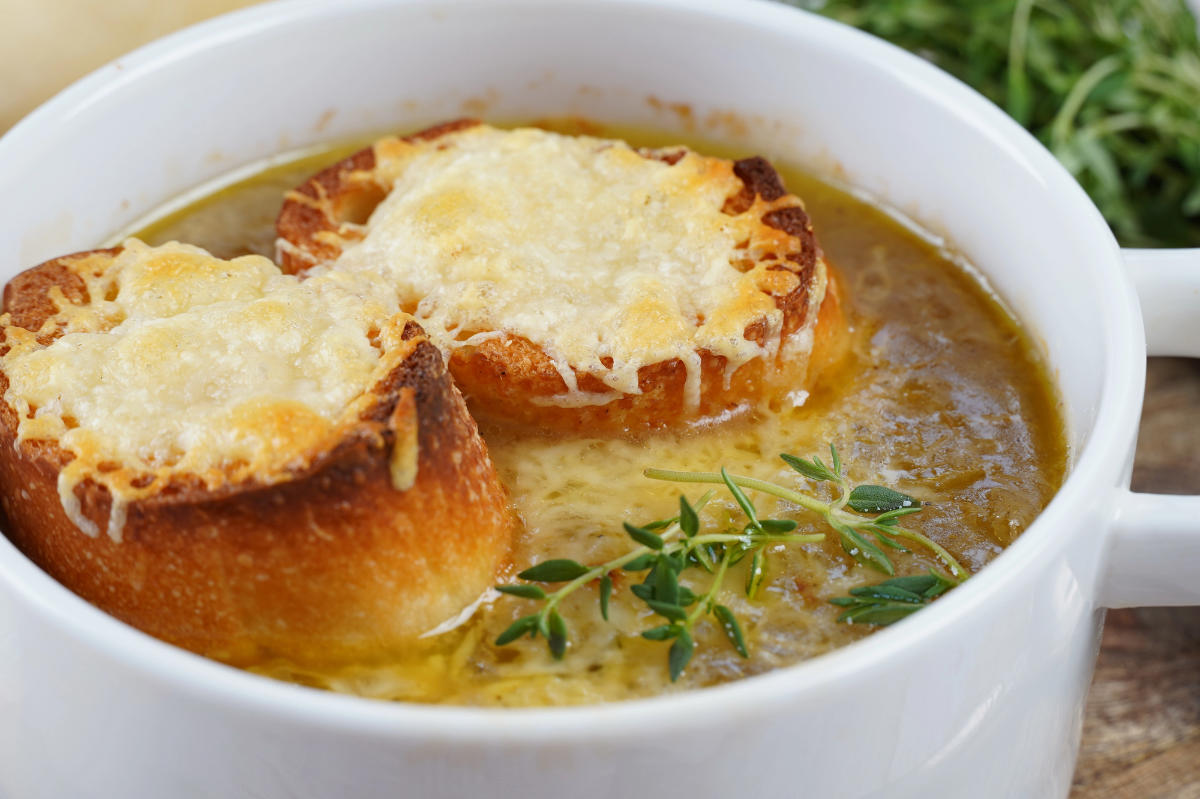
A French grandmother, or even a chef, would not use exotic seasonings to make a traditional French onion soup. The key to this well-known soup is the patient caramelization of onions, a carefully crafted beef stock, and the selection of a few high-quality ingredients. The magic comes from technique and timing, and not from using a variety of spices.
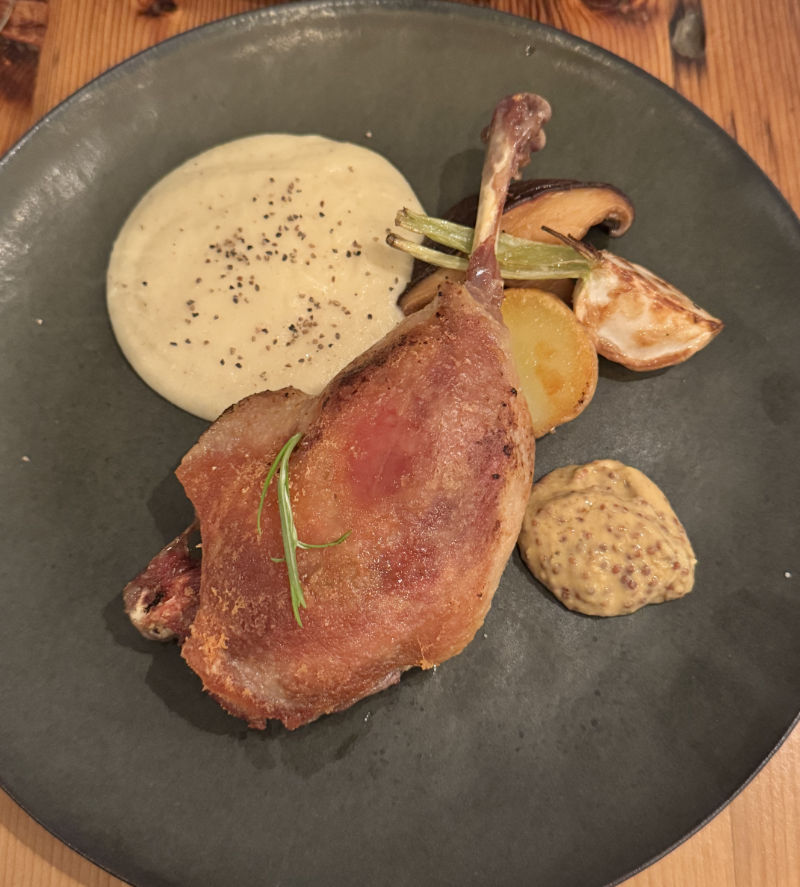
My favorite French dishes, Confit de Canard, Ratatouille, and Boeuf Bourguignon, are other examples of flavors that are satisfying and memorable without relying on excessive seasoning. This approach requires experience and confidence, which many home cooks may find challenging in today's culture of instant gratification.
The idea of restraint in cooking goes even beyond individual dishes. The ultimate dining experience is when the development of flavors progresses across multiple courses, where the flavors of each dish complement the previous one without overwhelming the palate. French dining culture beautifully embodies the idea of restraint.
Building Flavor Architecture
The French approach to seasoning resembles architecture more than painting. Where amateur cooks might layer on multiple spices like paint on canvas, French tradition builds flavor like constructing a cathedral, with careful attention to foundation, structure, and the interplay between elements that creates something greater than the sum of its parts.
It begins with understanding the concept of flavor hierarchy. Ingredients are categorized not just by taste, but by their role in the overall flavor structure. A good example of such a foundation is the mirepoix, made with onions, carrots, and celery, which forms the base of many French dishes. Other variations are the Spanish sofrito or the German Suppengrün. For a good overview and instructions on how to make it, you can find them here.
A splash of wine to brighten a sauce, or the pinch of herbes de Provence to provide an aromatic lift, may be added on top of such a foundation. The genius of this system lies in its recognition that human taste perception works best when it can identify and appreciate individual elements while simultaneously experiencing them as a harmonious whole. This is why traditional French dishes often taste complex yet straightforward, familiar yet surprising. Each component remains distinct enough to be appreciated individually, while contributing to an overall flavor profile that couldn't be achieved through any other combination.
Restraint in seasoning does not diminish the flavor, but can actually enhance it. When fewer elements compete for attention, each one can be perceived more clearly and appreciated more fully.
It is crucial for any aspiring cook to develop their palate to appreciate subtlety. That is especially important for amateur cooks who are accustomed to bold, immediate flavors. To develop this sensibility is worthwhile and can even change your relationship with food. It may even become an inspiration to elevate your cooking to new levels of sophistication and depth.
Terroir and Local Culture Behind French Spice Philosophy
French cooking evolved in a culture that valued the inherent qualities of fresh, local ingredients. The French relationship with food has always been deeply connected to terroir, which means that ingredients should express the specific characteristics of their place of origin. This idea naturally leads to cooking methods that highlight rather than disguise these unique qualities.
This deep connection to the terroir did not originate from a higher culinary insight, but rather from the limited resources available in bygone days, including a lack of proper refrigeration and inadequate transportation. You had to use what was available in your region. In Normandy, you couldn't get fresh seafood from the Mediterranean, but there was and still is a good supply of different species from the Atlantic.
These limitations also impacted the development of cooking techniques. The creation of Coq au Vin was born out of the necessity to turn that old rooster into something edible. Confit de Canard and other confits were originally nothing more than a method of preservation. Fortunately, these cooking methods have survived and are still part of contemporary French cuisine.
Differences in terroir and local culture led to the development of regional French cuisines. From the thyme and rosemary-scented cuisine of Provence to the butter-rich dishes of Normandy, local ingredients and traditional techniques created an infinite variety.
What does it mean for Home Cooks?
By implementing the French approach to restrained seasoning, you can significantly enhance your home cooking. It will require a mindset shift and some adjustments to your cooking technique.
The first challenge is to overcome the tendency to think that more complex seasoning results in better flavor. Many home cooks have been conditioned to believe that exotic ingredients and elaborate spice combinations are necessary. The French approach is about using the highest quality ingredients available and applying seasoning only to enhance rather than transform their natural characteristics.
You must understand the inherent flavor profiles and make seasoning decisions based on what each ingredient needs, rather than following predetermined formulas.
Salt is essential in cooking, but not in the way you may expect. I am not referring to the harsh chemical substance sold as table salt. Try sea salt from different areas, and you will find that Mediterranean salt tastes different from Atlantic sea salt. Salt is a flavor enhancer, but it is also used strategically to remove excess moisture, concentrate flavors, and create the conditions for browning and caramelization.
The timing of seasoning becomes crucial in the French approach. Don’t add all seasonings at once, but rather build flavor gradually throughout the cooking process. Taste constantly throughout the cooking process, adjusting seasoning gradually rather than trying to achieve perfect flavor in a single addition.
Aromatics like onions and garlic are cooked until they release their essential oils. Herbs are added at different stages depending on whether their essential oils should be preserved or allowed to mellow and integrate.
Study cooking methods like proper sautéing, slow braising, and the correct execution of reductions. They develop complex flavors that require minimal additional seasoning. Master these fundamental techniques to minimize the need for heavy seasoning and achieve more satisfying results.
Common Misconceptions and How to Overcome Them
Many home cooks are hesitant to adopt the French approach to restrained seasoning, fearing that their food will taste bland. This concern may stem from a lack of experience with basic cooking techniques. Heavy seasoning would only obscure the delicate natural flavors.
Another common misconception involves confusing simplicity with a lack of sophistication. The French approach appears simple because it doesn't rely on exotic ingredients or complex spice combinations. The apparent simplicity is indeed the highest level of culinary sophistication.
You may worry that following French seasoning principles will limit your creativity or make your cooking too traditional. In reality, understanding these fundamental principles provides a solid foundation for creative exploration. Once you master the art of building flavor through technique and restraint, you can apply these principles to ingredients and flavor combinations from any culinary tradition.
The fear of underseasoning also prevents many cooks from embracing this approach. However, the French method involves more seasoning decisions, not fewer, because it requires constant tasting and adjusting throughout the cooking process. This active approach to seasoning produces more precisely balanced results than cookbook formulas ever could.
Learning to appreciate subtle flavors takes time and practice. If you are used to lots of sugar and bottled seasonings in your diet, your palate may become less sensitive to nuanced flavors. But don’t despair, it is possible to retrain your palate. Eliminate sugar from your diet as much as possible for a while and avoid bottled dressings, ketchup, and steak sauces. Your palate will recover, and you will be able to enjoy subtle flavors again.
Step up Your Culinary Practice
Embrace the French approach to seasoning restraint by shifting perspective from addition to subtraction. Instead of asking yourself what spices to add to a dish, ask what each ingredient needs to express its best qualities. This fundamental shift in thinking opens up new possibilities for creating memorable, satisfying flavors without the need for an extensive spice cabinet.
True culinary magic emerges when technique and restraint combine to reveal the hidden depths of seemingly simple elements. This is as relevant today as it was centuries ago and applies to virtually any cuisine.