
A Japanese owner-chef of a small French restaurant in the Ningyocho district of Tokyo once told me that the difference between good food and transcendent food isn't what you taste immediately, it's what you taste three seconds later. That subtle, almost imperceptible flavor that lingers and makes you close your eyes with satisfaction. You may not even be able to identify the components of this composite flavor. What is at work here is what the Japanese call kakushi aji, or "hidden flavor." It's the culinary equivalent of a masterfully composed symphony where each instrument supports the others without overwhelming the melody.
While Western cooking sometimes relies on bold, recognizable flavors, many traditions also use subtle enhancements similar to kakushi aji. Japanese cuisine is known for more nuanced flavors, which Westerners with untrained palates may even describe as bland. The Japanese way is not about adding more ingredients or pungent spices, but creating depth without overwhelming, richness without heaviness, and sophistication without pretension, through an understanding of how flavors interact.
Many Japanese chefs apply this approach not only to Japanese cuisine but also to French, Italian, or other cuisines, demonstrating that this concept, which is part of Japanese culture, is also globally valid.
Once you understand the working of kakushi aji, your approach to cooking will change. More flavor doesn't mean more ingredients, more salt, more heat. The most satisfying flavors result not from the addition of ingredients, but from balancing them in harmony. Your Tuesday night dinner could benefit from applying this technique, and it may even turn into something that tastes like it came from a restaurant kitchen, all while using only the ingredients you already have in your pantry.
The Harmony Principle: Kakushi Aji Builds Flavor Depth
At the core, kakushi aji is part of the Japanese concept of harmony. In traditional Japanese cooking, every ingredient serves a purpose beyond its obvious flavor contribution. Each ingredient should contribute by enhancing everything else around it. Think of it as building blocks to a culinary architecture. The foundation supports the entire structure, even though it remains unrecognizable in the background.
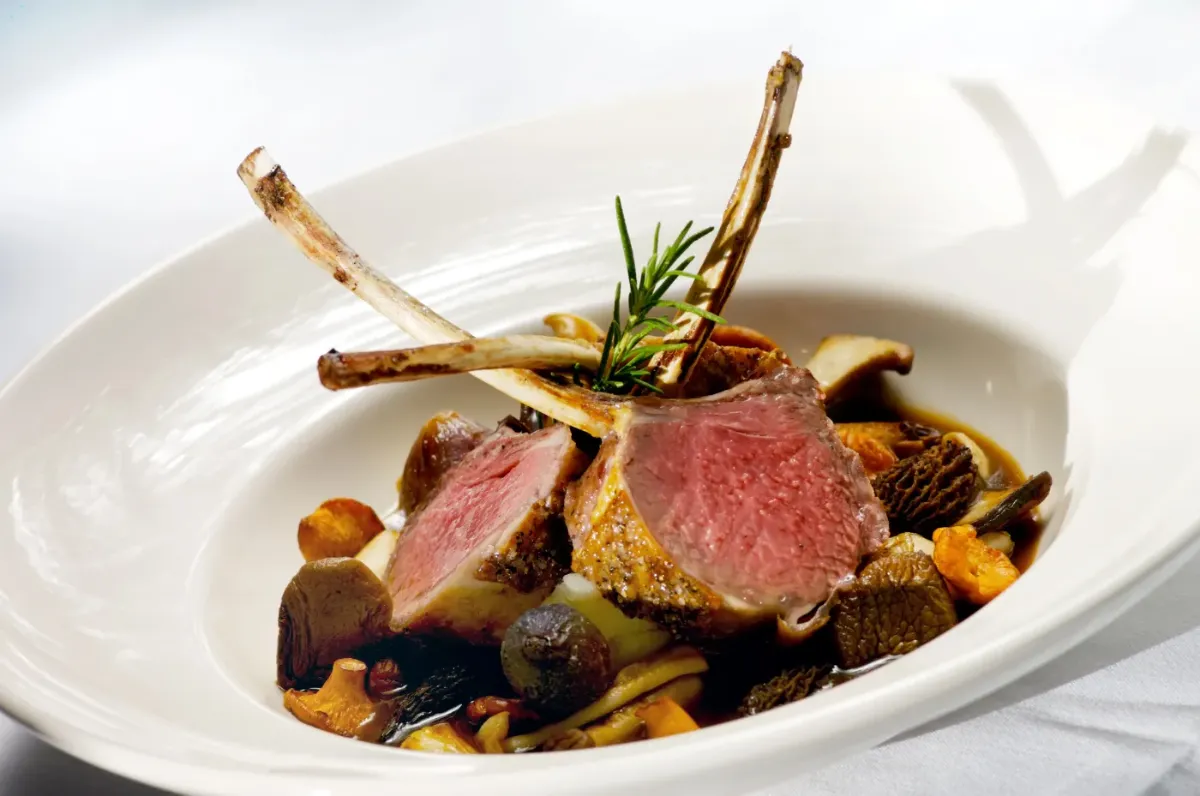
Western cooking traditions often focus on a central piece of a dish. In French cuisine, for example, it may be the perfectly seared duck breast. The duck is clearly the hero and is supported by complementary sauces and sides. In Japanese cuisine, a chef seeks to create a plate where no single element dominates, but the overall result is more complex and satisfying than the sum of its parts.
The technique works through what culinary experts call "flavor bridging", using ingredients that connect different taste elements in ways that create new, more complex flavor profiles. A tiny amount of miso might bridge the gap between sweet and umami. A whisper of shio koji instead of regular salt might connect acidic and sweet notes. These additions should work behind the scenes to create depth and complexity. At the same time they should remain almost unnoticeable.
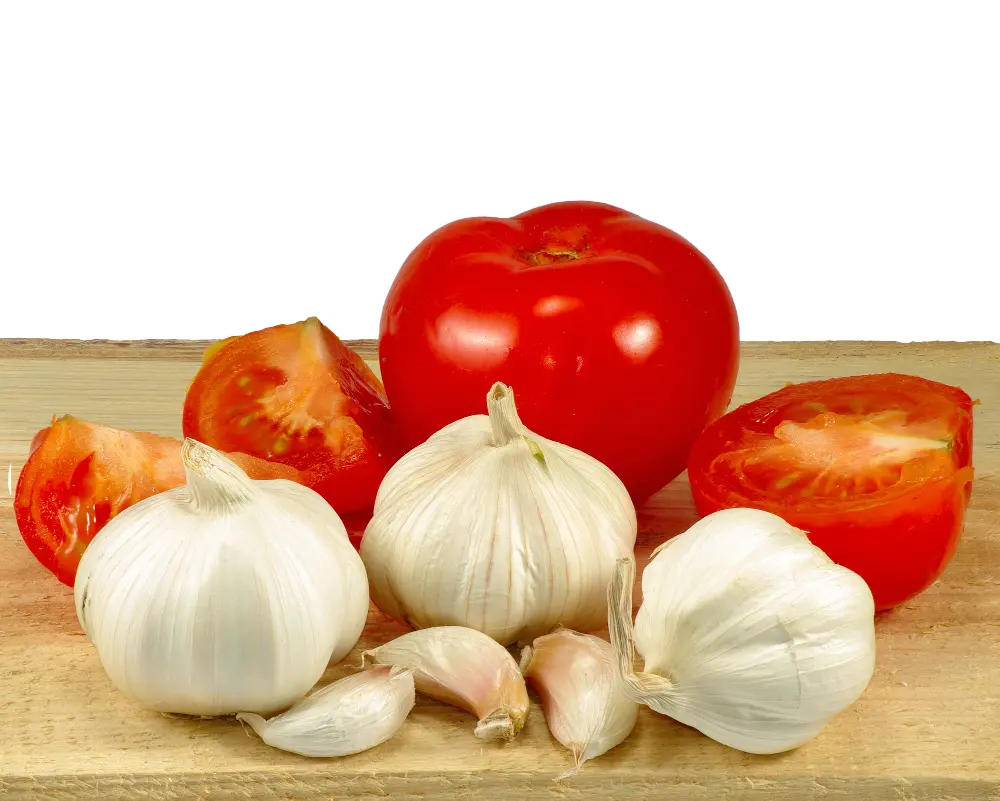
Consider how this principle applies to something as simple as a basic tomato sauce. A Western approach might involve adding more garlic, herbs, and wine. The kakushi aji approach might add a small amount of soy sauce, not enough to make the sauce taste Asian, but sufficient to boost the tomatoes' umami and round out the flavor profile. The soy sauce becomes invisible to the conscious palate while transforming the entire dish.
Kakushi Aji Worldwide: From French Stews to Italian Sauces
The beauty of kakushi aji lies in its universal applicability. French chefs have long used similar principles without necessarily naming them. That tiny amount of anchovy paste in a beef stew isn't there to make it taste fishy; it's there to enhance the meaty, savory qualities of the dish, which essentially is what we know as umami.
Italian cooks understand this when they add a small amount of Parmigiano-Reggiano rind to their tomato sauces, not for cheesiness, but for the richness of flavor it brings. Again, umami at play.
In Spanish cuisine, this principle is evident in the use of sofrito, not as a dominant flavor, but as a flavor foundation that supports all other elements. The slowly cooked mixture of onions, garlic, and tomatoes doesn't call attention to itself in the final dish, but its absence would be immediately noticeable. It's the difference between a paella that tastes good and one that tastes extraordinary.
Even in contemporary American cuisine, this principle is evident in some top restaurants. A chef might add a small amount of fish sauce, like the Thai Nam Pla, to a barbecue sauce, not to make it taste like fish, but to enhance the savory, complex qualities that make people say, "I can't figure out what makes this so good." That's kakushi aji in action, the hidden flavor that elevates everything else.
Mastering the Balance: Avoid Overpowering with Hidden Enhancers
The most challenging aspect of mastering kakushi aji is learning where the line exists between enhancement and overpowering. This technique requires a fundamental shift in thinking about seasoning and flavor building. Instead of asking "what can I add to make this taste better," you begin asking "what can I add to make everything else taste more like itself."
This balance requires understanding the concept of flavor thresholds. Every ingredient has a point at which it transitions from being a hidden enhancer to a noticeable presence. With miso, for example, you might use just a quarter teaspoon in a large pot of soup, not enough to make it taste like miso soup, but enough to add depth and richness that makes people wonder why your soup tastes so much better than theirs.
The key is developing your palate to recognize these subtle improvements. When you add a hidden flavor correctly, the dish doesn't taste like it has a new ingredient - it tastes like a better version of itself. Your roasted vegetables don't taste like they have soy sauce; they taste like the most perfect, concentrated version of roasted vegetables you've ever had.
With this understanding, let's see how you can apply kakushi aji in your kitchen.
Try These Kakushi Aji Hacks for Soups, Meats, and More
The concept of kakushi aji will change how you approach your daily cooking. Before reaching for the salt shaker or adding more of the same spices, consider the principles of flavor architecture. What underlying flavors support and enhance what you're already doing?
I've tried this in making a soup by adding a small amount of tomato paste to a chicken soup to add depth and richness. The tomato paste cooks down and disappears, but it leaves behind a more complex, satisfying base that makes people ask for your recipe.
When roasting meats, a tiny amount of finely ground coffee in your spice rub doesn't make the meat taste like coffee, but it enhances the savory, roasted qualities and adds a subtle complexity that elevates the entire dish. The coffee note disappears into the background, but its effect on the overall flavor profile is unmistakable.
Work a little cinnamon into your burger patty. It won't taste like a Christmas cookie, but it will enhance the meatiness.
For vegetable dishes, a small amount of mushroom powder or dried mushrooms can add an earthy quality that makes vegetables taste more substantial and satisfying. The mushroom flavor doesn't dominate, but the umami works and makes everything else taste richer and more complex.
Replacing salt in salad dressings with a tiny bit of miso adds a new flavor dimension.
Even in baking, this principle applies. A tiny amount of salt in sweet dishes doesn't make them salty - it enhances the sweetness and adds complexity.
Mindful Cooking with Kakushi Aji Honors Its Roots
To borrow the principle of kakushi aji and to adapt it to your own traditions is a more mindful approach to cooking and honors its roots in the Japanese sense of harmony. It requires attention to detail and respect for the ingredients you're working with. It's about understanding how flavors work together and developing the sensitivity to recognize subtle improvements.
When you cook with this mindset, you will feel a deeper connection to your food. You will also be able to appreciate the complexity that exists in simplicity. You begin to understand that sophisticated cooking isn't about using expensive ingredients or complicated techniques; it's about understanding how to make ordinary ingredients extraordinary through careful attention to flavor balance.
This approach also makes cooking more sustainable and economical. Instead of buying more ingredients to create interest, you learn to extract maximum flavor from what you already have. A few carefully chosen hidden flavors can transform a simple, inexpensive meal into something that feels luxurious and complex.
Start Experimenting with Kakushi Aji Today
Mastering kakushi aji is a journey rather than a destination. It will take time and there will be the occasional setback once in a while. Start by adding small amounts of unexpected ingredients to familiar dishes. Be careful not to overdo it. If you can easily taste this added ingredient, you have already added too much. Enhancing rather than dominating is the name of the game.
You will not become a master overnight, but over time, you will develop an appreciation for the delicate complexities. When you understand how hidden flavors work, you'll never look at cooking the same way again. Every dish becomes an opportunity to create something more complex, more satisfying, and more memorable than the sum of its parts.